Public health is not only about treating people when they become sick. It is also about preventing disease, promoting healthy lifestyles, improving living conditions, and ensuring that vulnerable communities have access to the knowledge and support they need to live healthier and more dignified lives.
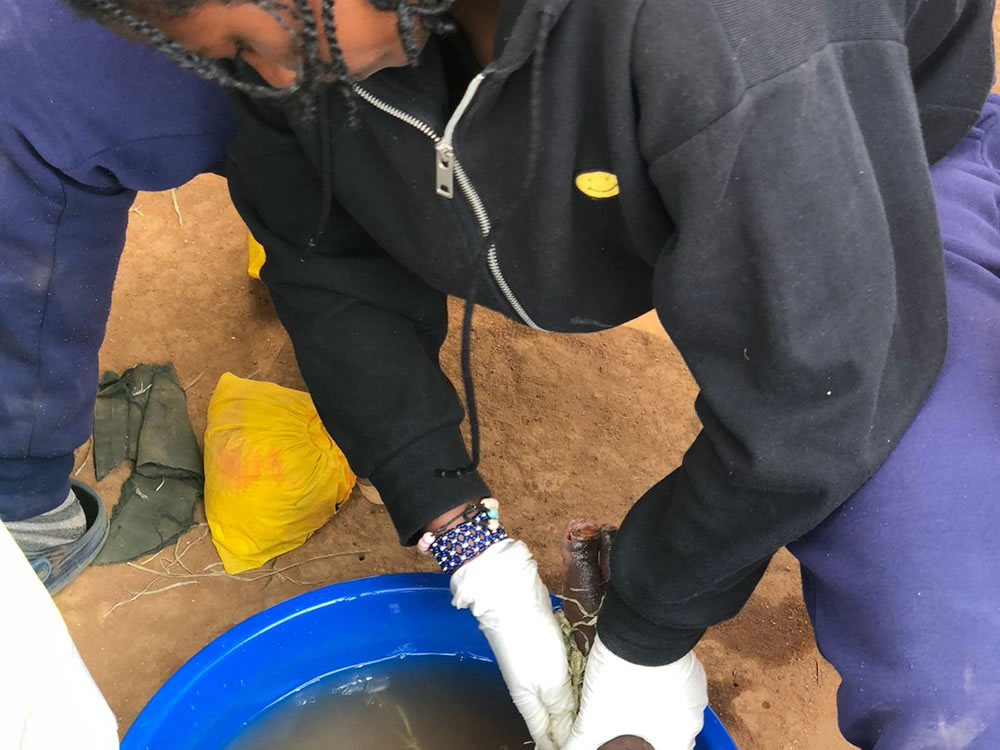
At the Centre for International Voluntary Services (CIVS Kenya), public health is demonstrated through practical community action. One example is the support provided to children and families affected by jiggers, where CIVS Kenya and volunteers have participated in jigger removal activities while also promoting hygiene, prevention, and community awareness.
Jigger Removal as a Public Health Intervention
Jiggers are caused by female sand fleas that burrow into the skin, commonly affecting the feet. Infestation can result in pain, itching, wounds, difficulty walking and, when untreated, secondary infections.
For children living in vulnerable conditions, jiggers can affect not only their physical health but also their confidence, school attendance, mobility, and overall wellbeing. Jigger removal therefore goes beyond simply removing the parasites. It is an opportunity to provide immediate support while educating families and communities about prevention and hygiene.
Through community activities, CIVS Kenya and volunteers have supported affected children by participating in jigger removal exercises and providing care, encouragement, and health education. These activities demonstrate how public health can move from theory into practical action at community level.
Connecting Jigger Control to WASH
Water, Sanitation and Hygiene (WASH) is an important part of public health. Access to water, sanitation facilities, soap, clean surroundings, and good hygiene practices can help communities reduce the spread of infections and improve their overall health.
During jigger control activities, volunteers can use the opportunity to promote simple hygiene practices such as washing feet regularly with water and soap, keeping living spaces and surroundings clean, wearing protective footwear, and seeking appropriate healthcare when infections or wounds occur.
These messages are important because removing jiggers alone does not address all the conditions that may contribute to continued infestation. Public health interventions should therefore combine treatment and removal with prevention, hygiene education, environmental improvement, and community participation.
CIVS Kenya and Community Based Public Health
CIVS Kenya brings volunteers and local communities together to respond to social, health, and development challenges. Its community service activities demonstrate the importance of working with communities rather than simply providing short term assistance.
Jigger removal activities provide a practical example of this approach. Volunteers have joined community efforts to support affected children, while health focused activities provide opportunities to raise awareness about hygiene, sanitation, footwear, environmental cleanliness, and timely healthcare.
The work also demonstrates that public health requires collaboration. Health workers, volunteers, parents, teachers, community members, and organisations can all play different but complementary roles in improving community health.
The Role of Volunteers
Volunteers are an important part of community based public health action. They bring time, compassion, energy, and a willingness to work directly with communities.
During jigger control activities, volunteers can support community mobilisation, hygiene education, awareness creation, emotional support, follow up, and other non clinical activities. Where jiggers are embedded in the skin, their removal should be carried out by appropriately trained health personnel using safe and hygienic procedures.
This teamwork allows volunteers to complement professional healthcare while helping communities understand how prevention can reduce future health problems.
Through CIVS Kenya’s volunteering programmes, volunteers experience firsthand how public health, WASH, community service, and sustainable development are connected.
From Immediate Help to Long Term Prevention
Community service should not end when an immediate problem has been addressed. The greater goal is to help communities develop knowledge and practices that can protect their health in the future.
A jigger removal activity can therefore become a platform for wider public health education. After supporting affected children, volunteers and community teams can discuss hygiene, footwear, sanitation, clean surroundings, early treatment, and ways families can protect themselves from reinfection.
This approach changes a single community activity into an opportunity for learning, prevention, and empowerment.
Building Healthier Communities Together
The work of CIVS Kenya and its volunteers demonstrates that public health begins within communities. Jigger removal is one practical example of how community service can respond to an immediate health challenge while creating opportunities to promote WASH, hygiene, prevention, and health awareness.
When volunteers work alongside health professionals, families, teachers, and community members, they help turn public health messages into practical action.
From removing jiggers from affected children to promoting the use of footwear, encouraging hygiene, supporting clean surroundings, and sharing health information, every action contributes to healthier and more resilient communities.
Public health begins with prevention. Community service turns prevention into action. Together, CIVS Kenya, volunteers, and communities can create healthier environments where vulnerable children can live, learn, and grow with dignity.